

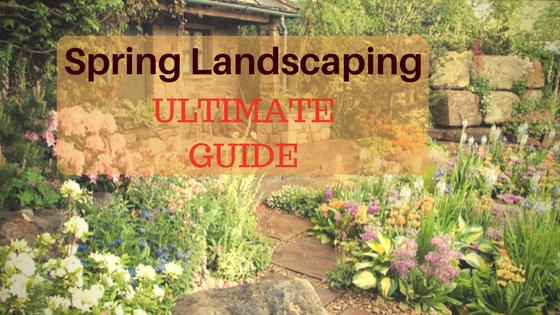
2026 Ultimate Guide for Zone 5B Spring Landscaping
The ultimate round-up for spring lawn prep

As the snow recedes and the weather begins warming up, it is time to start landscaping.
Start your spring landscaping plans with proper planning
Landscape Design
 It is important to properly plan your landscape design properly, so you know where to plant your perfect landscaping accents. A proper design plan takes into account all aspects of your yard, from sunlight to drainage, then it incorporates in the mix of the different plants, so the left isn’t full of yellow flowers and the right is full of decorative grasses.
- Spring Gardening Checklist, offers some great starting points for anyone planning their garden.
To fully bring your plans to fruition start off with a drawing of your yard, front and back. Then start adding in your planting beds, draw in anything you want to add, from decks or patios to new planting beds or even a garden.
While drawing up your plans, figure out if you want a low maintenance landscape.If you do want one, check out these 10 tips.
To learn more about landscape design planning, check out this post, along with these 4 helpful tips on design planning.
Need some landscape design inspiration?
- 5 DIY Landscape Design Ideas that provides simple suggestions on great accents to your overall design.
- Backyard landscaping on a budget that offers great suggestions on how to have the perfect backyard while reducing costs.
- Fire safe landscaping tips, which are important to keeping your home safe from fires.
- How to get rid of standing water in your yard, because nothing ruins your landscaping plans more than a soggy spot in the yard.
- Making a small yard look bigger, if you don’t have a grand massive yard, learn how to make it look better.
Ok, so you have this perfect landscape planned out, make sure the grass looks good as a compliment.
Lawncare tips for a lush lawn
 Proper irrigation is an important part of achieving the perfect lawn, and really the only way to get that is with sprinklers. Watering your lawn with built in sprinklers on a timer, is the optimum way to irrigate your lawn in a hands off manner, but if you don’t have them yet, consider going with a manual set out sprinkler. Learn all you can about proper irrigation in this post.
Another important aspect to growing that yard of your dreams, is fertilization. Think of fertilizer as food for your lawn, like us, our lawns won’t grow without proper nutrients. It isn’t just as simple as buying any fertilizer at the store and putting it all over your soil, check out this post to know how to test your soil to know what you need. After you have determined that, learn all you can about fertilizers in this post. Also consider using manure as part of your lawn feed routine for a more natural and organic option. Something to consider working into your lawn’s fertilization routine is a fertilizer with a pesticide, so you keep bugs out of your beautiful landscape.
No matter how much fertilizer you use, and how much you water, you can still encounter issues.
Know how to address these common lawn issues:
- Bare spots in the yard can be troublesome to even the most ardent lawn care routine. This post offers some great advice on how to address them.
- No matter how much you had properly planned your landscaping, there will be shady spots, which can harm your grass, so check out these tips to correct shade grass issues.
- Lawn sod will correct issues quickly, and installing it is quite simple if you follow these 5 steps.
- WEEDS! No matter how much you work on your lawn, weeds will be the bane of your existence. Knowing how to properly control them will ease your stress, check out these tips.
- Thatch is a build-up of dead grass that can choke the roots of your lawn. Learn how to properly dethatch your lawn in this post.
- If the grass is thin, but not bare, then overseeding the lawn is your best option, so check out this post to learn how to do it properly.
So you’ve learned how to address all common lawn issues, you have your watering routine perfected and have fertilized the grass to perfection, there is still more to maintaining that perfect lawn. Like lawn mowing, know how to properly cut the grass is very important, as if it isn’t cut properly, it can hinder all your hard work. Equally important to properly cutting your grass, is to make sure you have a sharp mower blade, because a dull blade will chop your grass with a rough cut, which can lead to lawn diseases. Equally important to mowing your lawn is to properly trim along the borders, and that requires understanding the basics of trimming.
Another helpful thing for growing a beautiful lawn, is aeration. A compacted yard can choke your grass, and aeration is as simple as poking holes in the dirt. Ok, maybe a bit more involved than that, so why not learn all you can in this post.
Learn all the tools you’ll need for proper landscaping here.
As you’re working in your yard, know what grasses to grow:
Now you have the perfect green lawn and your landscape design plan in hand, it is time to start putting everything into place for the dream yard to spend your time relaxing in.
Learn all you need for a dream landscape
 Walksways are a great accent for your landscape, picking the perfect type of path topper is essential. Check out this post to learn all about pathways for your landscape.
Adding rocks to your landscape is perfect if you want to simplify your landscape upkeep. Check out this post to learn about how to setup a nice rock garden. If this is your first time trying to grow in a rock garden, start with something easy, like succulents. If you don’t want a whole rock garden, consider using accent rocks.
Got a shady spot that you want to make into a beautiful shade garden? Adding a colorful groundcover is the perfect compliment.
Having beautiful plants is great, but accessorizing your landscape with accent pieces really steps up the quality. Check out this post to learn about 10 pieces you can add to your landscape design plans.
During the day your landscape is visible to all, but without proper lighting, it becomes invisible at night. Know how to properly light your landscape.
Most people count on their planting beds for growing plants, but to add some serious depth to your lawn use containers. This post explains everything you need to know about adding containers to your landscape.
A garden island can break up your lawn, so it is more than just a field of green grass. Knowing how to put one in can aid your design, check out this post to learn all about installing a yard island.
Flowers, are the ultimate compliment to your landscape, they bring color. Everything you need to know about adding flowers to your landscape can be found here. If you want perennial flowers, consider using bulbs. Never forget, the highlight of any landscape is growing roses, so learn all you can about them.
If you follow all the advice found here, your spring landscaping will be easy, which means your lawn will reward you all summer and into the fall with a gorgeous place to relax. Don’t forget to put in a bench, so you can actually have a place to sit back and enjoy the fruits of your labor.
Landscaping and Lawn Care Considerations for Zone 5B
If you live in USDA Hardiness Zone 5B, proper landscape planning becomes even more important. Zone 5B includes large parts of the Midwest and Northeast, where winters are cold, springs can be unpredictable, and summers bring both heat and humidity. Average winter lows range from –15°F to –10°F, which means every plant, lawn decision, and hardscape feature must be chosen with durability and timing in mind.
Unlike warmer zones, Zone 5B landscapes must account for freeze–thaw cycles, late spring frosts, and shorter growing seasons. Designing your yard with these factors in mind ensures your landscape not only looks good in spring, but thrives year after year.
Understanding Zone 5B Climate Before You Plant
Before you put a single plant in the ground, it’s important to understand what Zone 5B conditions mean for your landscape:
- Last average frost date: Mid–May
- First average frost date: Early to mid–October
- Growing season: Approximately 140–160 days
- Winter challenges: Frost heave, snow load, ice damage
- Summer challenges: Heat stress, humidity, fungal disease in lawns
This climate makes early planning essential, especially when choosing grass types, shrubs, trees, and perennials.
Landscape Design Planning for Zone 5B Yards
When designing your landscape in Zone 5B, start by identifying microclimates in your yard. South-facing areas warm faster in spring, while north-facing sections may hold snow and ice longer. Areas near foundations, fences, and patios often retain heat, which can extend your growing season slightly.
Key Zone 5B Design Tips:
- Group plants by cold tolerance and moisture needs
- Avoid placing tender plants in frost pockets
- Design planting beds with good drainage to prevent winter root rot
- Use windbreaks like hedges or fencing to protect exposed areas
Raised beds are especially useful in Zone 5B, as they warm earlier in spring and reduce issues with compacted or poorly drained soil.
Choosing the Right Plants for Zone 5B Landscapes
One of the biggest mistakes homeowners make is planting species better suited to warmer climates. Always look for plants rated for Zone 5 or colder.
Trees and Shrubs That Thrive in Zone 5B:
- Red Maple
- Serviceberry
- Eastern Redbud
- Hydrangea (cold-hardy varieties)
- Boxwood (winter-hardy cultivars)
- Spirea
- Ninebark
These plants handle cold winters well and rebound reliably in spring.
Lawn Grass Selection for Zone 5B
Cool-season grasses dominate Zone 5B, and choosing the right type makes all the difference.
Best Lawn Grasses for Zone 5B:
- Kentucky Bluegrass: Dense, lush, and cold-hardy
- Perennial Ryegrass: Quick germination, great for overseeding
- Fine Fescue: Ideal for shady areas
- Tall Fescue: Deep roots, drought-tolerant, increasingly popular
Warm-season grasses like Bermuda or Bahia are generally not recommended for Zone 5B unless used in very specific microclimates.
Spring Lawn Care Timing in Zone 5B
Spring in Zone 5B can be tricky. While warmer days may tempt you to start early, working the lawn too soon can cause long-term damage.
Spring Lawn Care Timeline:
- Early Spring: Clean up debris, avoid heavy foot traffic
- Mid-Spring: Soil testing and light fertilization
- Late Spring: Overseeding and weed prevention
Wait until soil temperatures consistently reach 50–55°F before applying fertilizer or pre-emergent weed control.
Irrigation Best Practices for Zone 5B
Zone 5B lawns often receive adequate spring rainfall, but summer irrigation is still critical. The goal is deep, infrequent watering to encourage strong root systems.
Irrigation Tips:
- Water early in the morning to reduce evaporation
- Aim for 1–1.5 inches per week, including rainfall
- Adjust sprinkler schedules during cooler weeks
- Shut down irrigation systems early in fall to prevent freeze damage
Built-in sprinkler systems with timers are ideal, but manual setups can work just as well when monitored carefully.
Fertilization Strategies for Zone 5B Lawns
Fertilizing in Zone 5B requires a seasonal approach.
Fertilization Schedule:
- Spring: Light feeding to wake up grass
- Early Summer: Balanced fertilizer for growth
- Fall: The most important feeding for root development
Fall fertilization is especially critical in Zone 5B, helping lawns store energy for winter and green up faster in spring.
Organic options such as composted manure work well, especially when combined with soil testing to avoid nutrient overload.
Common Lawn Problems in Zone 5B (and How to Fix Them)
Zone 5B lawns face unique challenges due to temperature swings and moisture fluctuations.
Frequent Issues:
- Snow mold: Prevent by avoiding heavy fall fertilization
- Thatch buildup: Dethatch in early fall or late spring
- Bare spots: Overseed in early fall for best results
- Weeds: Use pre-emergent control in late spring
- Compaction: Aerate annually, especially in clay soils
Early fall is often the best time to repair lawns in Zone 5B due to cooler temperatures and reduced weed pressure.
Mowing Guidelines for Cool-Season Lawns
Proper mowing is essential to maintaining a healthy lawn.
Best Practices:
- Keep grass height at 3–4 inches
- Never remove more than one-third of blade height at once
- Use sharp mower blades to prevent tearing
- Mulch clippings when possible
Longer grass blades help shade soil, reduce evaporation, and prevent weed growth—especially important during Zone 5B summers.
Hardscape and Structural Considerations in Zone 5B
Hardscape features must withstand freeze–thaw cycles, which can crack improperly installed materials.
Zone 5B Hardscape Tips:
- Use frost-rated pavers and stone
- Ensure proper base depth and drainage
- Avoid shallow footings for permanent structures
- Consider flexible materials like gravel for paths
Walkways, patios, and retaining walls should be installed below the frost line when applicable.
Lighting and Accessories for Zone 5B Landscapes
Landscape lighting extends usability and adds safety during long winter nights.
Choose fixtures rated for cold climates and install wiring below frost depth when possible. Solar lighting works in summer but may underperform during winter months due to snow cover and limited daylight.
Containers, Beds, and Seasonal Flexibility
Containers add versatility to Zone 5B landscapes. They allow you to:
- Swap plants seasonally
- Protect tender plants by moving them indoors
- Add height and color to patios and entryways
Choose frost-resistant containers and elevate them slightly to prevent cracking during winter freezes.
Preparing Your Landscape for Winter in Zone 5B
Fall preparation is just as important as spring planning.
Winter Prep Checklist:
- Clean up fallen leaves
- Cut grass to final winter height
- Drain irrigation systems
- Mulch planting beds
- Protect young trees and shrubs
Proper winter prep ensures your lawn and landscape rebound quickly when spring returns.
Bringing It All Together
Zone 5B landscaping rewards patience, planning, and informed choices. By selecting cold-hardy plants, maintaining a healthy lawn, and designing with the climate in mind, you create a landscape that looks great from spring through fall—and survives winter with minimal damage.
With the right preparation, your yard becomes more than just green space. It becomes a functional, relaxing extension of your home—one that you can enjoy year after year.
And yes—don’t forget that bench. After all this work, you’ll want a comfortable place to sit back and enjoy the results.
